2010
09.02

A week ago Tuesday Blue Bird North Georgia completed its 77,254th and final school bus, closing the doors after 23 years of production. The award-winning assembly plant is being consolidated with a larger facility south of Atlanta, pulling millions of dollars and another 350 jobs out of Walker County.

BlueBird has been a vital part of LaFayette and the surrounding area since 1988 when its North Georgia plant reopened after a brief, aborted attempt six years earlier. The company was originally enticed to open in LaFayette through the efforts of Fred Henry and his LaFayette Chamber of Commerce.

In the eighties, school consolidation, higher school spending, new safety regulations, and a mini-baby-boom pushed many school districts to invest in new buses or purchase entire new fleets. At that time the school bus market was strong enough to support six major manufacturers, and BlueBird was one of the strongest with innovative (if expensive) products many considered to be best of class. Strong sales encouraged expansion and development of new sites, including the LaFayette plant.

But overconfidence led BlueBird and the rest of the bus industry to over-expand, resulting in manufacturing capacity well beyond the number of buses being ordered. Economic troubles beginning in 1992 forced half the “big six” manufacturers to close locations, merge with stronger competitors, or go into bankruptcy. BlueBird, by that time operating seven facilities in three different countries, was impacted like everyone else, but managed to finish the decade with only one plant closure in Virginia.

Good management and a focus on quality helped BlueBird survive the downturn, becoming one of only three major American bus manufacturers left by 2005. But the company’s two remaining competitors, IC Corporation and Thomas, were both owned by financially-secure multinational conglomerates producing many different types of vehicles. BlueBird, in comparison, only made school buses for North American customers, prison buses, and RV’s, filed for bankruptcy in 2006, and changed owners six times between 1992 and 2009. (The company’s current owner is the same investment group that ran Chrysler into the ground before selling it at a loss to Fiat.)

BlueBird closed its Mexico facility in 2001, followed by an Iowa plant shutting down in 2002. Those closures were enough to keep the company going until 2007 when it ended RV production near corporate headquarters in Fort Valley, GA and sold BlueBird Canada. That left only two mills to produce all of the company’s products: its original factory in Fort Valley and BlueBird North Georgia in LaFayette.

In 2003 BlueBird North Georgia was on the edge of extinction, unprofitable and building vehicles that regularly failed quality control checks. But new managers, new training, and improved procedures breathed new lief into the mill. Within a few years LaFayette’s plant went from the bottom of the heap to being cream of the crop. BlueBird NGA was nominated for Industry Week Magazine’s 10 Best Plants award in 2005 and 2006, winning it in 2007. By then LaFayette was BlueBird’s most profitable operation, and by some accounts was keeping the company afloat.

In recent years BlueBird North Georgia has had a single product, the Vision bus. Fort Valley also builds Visions, alongside the more popular All American transit-style bus, but LaFayette developed a reputation for assembling vehicles with higher build quality than those made at the company’s Fort Valley headquarters. Because of that reputation a majority of school districts requested buses from LaFayette, cutting down profits at the much larger Fort Valley plant even as BlueBird Corp began a multi-million dollar expansion of that facility.

Last year BlueBird managers from Fort Valley made frequent visits to LaFayette, working with local employees to learn the best practices and procedures employed at their most successful plant. In hindsight that should have been a warning sign of the factory’s eventual demise – but at the time BlueBird North Georgia seemed to have a bright future, as both mills were working overtime to keep up with bus orders from stimulus-money-infused school districts all across the country.

In 2010 most schools ran out of stimulus money for extra bus purchases, and many districts had already use stimulus funds to purchase several years worth of new buses in advance. Deepening that hurt, a July 1st change in Georgia law gave local school districts state funding to maintain and refurbish old buses instead of only providing funds for new bus purchases – cutting back the number of vehicle orders originating from BlueBird’s home state.

Those factors, along with the general economic decline, drastically reduced new bus orders during the first few months of 2010. BlueBird responded by reducing North Georgia’s payroll by at least 50, shifting some local management functions to Fort Valley, and advising remaining employees to attend a Roper-sponsored job fair before the factory entered its annual late-summer slowdown. That slowdown turned into a complete shutdown, and on June 24th BlueBird announced its LaFayette facility would cease operations by the end of August.

Last Tuesday marked the end of production and the end of almost every BlueBird job, except for a few key employees left to wrap things up by the end of the year. Some employees left before the shutdown, taking jobs at Roper, Mt. Vernon Mills in Trion (which both had a good summer and added shifts), or other local companies. A handful of BlueBird employees – some of whom worked for the organization more than two decades – are eligible for new jobs (but not transfers) at the Fort Valley plant located three hours away.

Between 200 and 300 BlueBird staffers who stayed through the shutdown are being provided four weeks severance pay, medical coverage through the end of the year, and opportunities to attend school with BlueBird’s assistance. That’s not the most generous severance package ever provided, but for a factory shutdown it’s reasonable and certainly beats showing up at work one morning to find the doors locked forever without warning.

That is, of course, small comfort for the hundreds who are now forced to live on unemployment while hunting for new jobs, trying to decide if they should stick it out and stay in LaFayette or move to a community with better job prospects. It’s also no comfort for other area businesses – everything from bus transporters and diesel-selling gas stations down to the retailers and restaurants patronized by former BlueBird employees – that will be impacted by the closure. Decreased tax revenues and municipal utility profits will give local government entities another excuse to raise taxes on everyone who remains, while unemployed workers will depend further on government help and already-stretched agencies like The Care Mission to help them survive.

Beyond mere financial ripples, LaFayette and Walker County also lose a business that has long sponsored local schools and sports, has donated time and money to help local agencies (including time wasted on a project for the Sheriff’s Office), and has been a rare source of local pride. BlueBird North Georgia wasn’t just some bus factory, it was the nation’s best bus factory, and it was our bus factory – something employees AND residents could hold up as the best example of what local workers can do with the right opportunity. BlueBird’s closure represents not just a loss of jobs, a loss of economic strength, but a loss of community self-esteem.

Since the closure was first announced, LU readers have asked countless times what might be done to stop the closure, how it could have been prevented, and what can be done to prevent future closures of the few employers remaining in LaFayette.

The city and county provided BlueBird with no tax breaks or other incentives, and we’ve seen no evidence that the company ever asked for any. But considering how LaFayette’s City Council responded to a recent request from Roper, they may have decided not to bother. Fort Valley recently sold $4 million in bonds to retain and expand the BlueBird plant and corporate offices located there; LaFayette’s city government, in contrast, would likely have refused to even help with minor infrastructure improvements on the site and is probably salivating over the prospects of buying the empty plant next year and using it for another expansion of the airport or an extra five holes for the golf course.

While giving a company deep tax breaks isn’t always a good idea, Bebe Heiskell and the Walker County government could have given BlueBird a slight reduction in property or inventory taxes. Roper is next door to the BlueBird site and pays no property tax because the land where it sits belongs to the county; giving BlueBird a similar deal would have made keeping the plant open easier – and the amount of taxes paid by the company are trivial when compared to the economic impact of losing its $17-million payroll. Now with BlueBird closed the county has a lose-lose scenario of losing that tax revenue AND all the company’s jobs.

BlueBird has been an exclusive supplier of school busses for Walker County Schools since before the LaFayette plant opened, but in recent years the school board has been buying flat-front All American busses made in Fort Valley instead of ordering the Vision model built here. While there may be certain benefits associated with BlueBird’s All American bus, our school system should have been more committed to buying local products. One school district wouldn’t make or break the company, but using only LaFayette-made busses would have demonstrated support for local jobs and support for the students whose parents worked for BlueBird.

State legislators could also have done more to keep BlueBird running. Georgia’s new law (mentioned above) concerning how school systems are reimbursed for the cost of refurbishing old busses could have been rolled out gradually, with districts in lower-income areas getting the new benefit before everyone else. That would have lessened the sudden blow to BlueBird’s business with school systems in its home state and possibly let the LaFayette plant stay open until the economy recovers, if it ever does.

For all businesses in the state, ending discriminatory incentives for specific businesses would also be a long-term benefit. While companies in certain industries (like television production) enjoy tax breaks and other benefits, companies in other industries (like school bus manufacturing) have to pay their share of taxes along with the taxes that should have been charged to the businesses receiving breaks. That’s discriminatory and violates the core principals of capitalism, especially since most incentives are about winning elections instead of about keeping jobs. This issue has recently gotten more attention across the state, but industries that benefit from the breaks are digging in their heels against any effort to roll back their special tax rates.

Beyond just taxes and economics, there’s also a factor of red tape and convenience. One local business owner put it best, with this recent comment on the LU Facebook:

    “NO real business wants to locate where there is so much back slapping sleep with the enemy so you know where they are kind of goverment. Real businesses want to do business and make money not play footsies with the local crook that happens to get into office. The only reason most manufacturers locate to rural areas is for cheap labor. When that labor gets too expensive or the hassle of dealing with the government is too much they move on.”

And that’s really the rub of it all. With layer upon layer of poorly documented building codes, city and county zoning laws, multiple development and planning authorities within both city and county governments, and a handful of local leaders all expecting to have their butts kissed before projects can begin, it’s little wonder we’ve lost so many major employers in the last ten years. Companies can’t move without running into laws and roadblocks on the city, county, state, and national levels. We can’t do much about state and federal laws, but streamlining, clarifying, and simplifying local laws and bureaucracy would do much to keep existing businesses here and attract in new ones to replace the dozens that have been lost.

When BlueBird first moved into LaFayette, the local atmosphere for business was much different than it is now, with fewer laws, less red tape, and friendly local leaders who welcomed the new company with open arms. (In that era we also had a strong LaFayette Chamber of Commerce working to attract new manufacturers and support existing businesses instead of primarily hosting out-of-county golf tournaments and out-of-state dinners like today’s merged county chamber.) If today’s business-hostile environment had existed then, LaFayette would have never gotten BlueBird, Roper, Barwick, or any other significant employer – and as long as today’s environment exists without a change, more and more companies like BlueBird will pack up and leave town with no replacement in sight.

Considering the national economy and BlueBird’s weak competitive position, it’s probable that none of the steps we’ve suggested would have kept Team North Georgia intact – but that’s no reason not to begin making some of these changes to avoid future closures as large, or larger, than BlueBird’s and to make the area more appealing to other companies that might consider moving in.

Ultimately the best thing that could have been done to keep BlueBird here WAS done: Local workers producing the best product possible even in bad circumstances did more to keep BlueBird North Georgia open than any government action ever could. That quality output (and resulting profitability) kept LaFayette’s facility open years after BlueBird shut down its other plants around the continent. Even the company’s press release commended local workers for “producing a high quality school bus” – high praise from a company preparing to (no pun intended) throw employees under the proverbial bus.

While another plant closure might not have been avoidable, BlueBird’s decision to shutter LaFayette in favor of Fort Valley may come back to bite them later on. A choice made for survival in the short-term could put the entire company out of business when school districts around the country begin receiving lower-quality Fort Valley-produced Vision buses next summer and begin to consider if BlueBird’s products are still worth their premium price.

2010
08.21

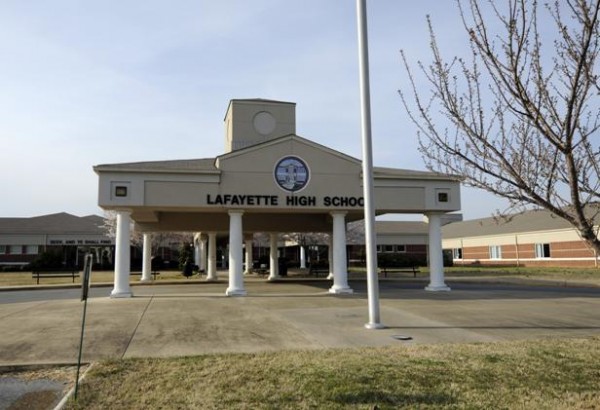
During August 9th’s regularly scheduled meeting of the LaFayette City Council, Shannon McConnell presented a tentative plan for restoring and using the former LaFayette High School football field and stadium on First Street. McConnell, a Roper engineer and member of the Rotary Club who recently returned from military service in Afghanistan, was inspired (at least in part) by a LaFayette Underground article about the field that prompted much discussion among some of the school’s alumni and other interested parties.

McConnell’s proposal was light on specifics or dollar figures, but heavy with a vision for “revitalizing downtown” through a restored stadium that could host a wide array of events and activities. Those activities would include a 5k or 10k run, a barbeque and cooking contest, fireworks, a portion of Scare on the Square, an annual Johnny Cash tribute concert, and a variety of other musical acts. The field could also be used for an “old graduates” football game, a powderpuff game, and the recreational department’s 4-11 year old football games already held there.

The biggest proposal called for having the city-owned field restored in time to host LaFayette High School’s 2011 homecoming parade and football game, an idea sure to attract the thousands who attended school there before it relocated during the 1997-1998 school year. That would draw the city and school closer together, strengthening a sense of community largely lost when LHS moved outside the city limits.

Before the council meeting, that aspect of the plan had already been brought up with other officials who would be involved – including City Manager Johnnie Arnold, LHS principal Roger Hibbs, school superintendent Melissa Mathis, Walker Commissioner Bebe Heiskell, and Patti Scott of LaFayette Parks & Recreation. McConnell said all were supportive and excited about the possibilities of holding a homecoming game at Tucker Field again, and he even got a commitment from the county to repave the facility’s running track.

McConnell vowed to create and lead a steering committee devoted to putting those plans into action, coordinating concerts and events with musician Vic Burgess and using volunteer labor to “take on a portion of the project.” But even with volunteers, the committee would still require permission, cooperation, and support from the city council – which is what brought him to the council meeting Monday evening.

Local businesses could sponsor some repair costs, but the city will still have to bear “some brunt” of the proposed upgrades. Those upgrades would include adding new restrooms, upgrading concessions, and building a new press box to replace the current one, which is apparently beyond repair. The city would also have to pay for new seating unless the committee decides to go with the lower-cost option of simply removing what remains of the old risers and leaving a grassy hill. (The Ramblers scoreboard needs to be repaired or replaced too, but we’ve learned since the meeting that Coca-Cola owns the old one and would probably be willing to cover repair costs if anyone at the city ever bothered to ask them to.)

The council let McConnell finish, but once he was done they immediately began to contribute reasons why the city can’t help with the project. Mayor Florence guessed it would take at least $150,000 to bring the field back into shape with new metal bleachers, and Councilman Andy Arnold said the same amount would be necessary to build bathroom facilities for the five or six thousand people who might attend a homecoming football game.

The mayor then added that the city has no money to spend on anything right now because of “those softball fields” – referring to an endless project converting a single baseball field at Lowell Greene Rec center into three softball fields with outdoor bathrooms. That job was originally promised to cost $170,000 and be done by April 15, 2010, but at this point it’s cost nearly a million dollars and still isn’t completed – draining away SPLOST money intended for infrastructure jobs and projects like renovating the stadium.

Councilman Norm Hodge, who coaches golf at LaFayette High School, said holding LHS’ homecoming football game at the old field would never work because of transportation issues (even though the Ramblers play away games all the time) and because none of the school’s coaches would allow it due to concerns about the playing surface. McConnell replied that he already heard through LHS principal Hibbs that all the coaches were OK with the plan, as is the school facilities department. (That shut Hodge up, for now, but we’ll see if the coaches’ support continues once he’s had a chance to speak to them.)

Mayor Florence said they don’t want to dampen Mr. McConnell’s enthusiasm for doing something with the field, but added that it’s “fine the way it is now” for events the city has there. Councilman Eric Tallent then said everything McConnell proposed could “go on schedule like [the field] is” except for the homecoming football game. (Taken at face value, that pushes program planners into a catch-22 situation: removing the homecoming game from their plan would eliminate the cost of new seating and bathrooms, but without that event there’s no impetus for doing other repairs to the facility – and without repairs, planners can’t attract quality performers or events that would draw in enough people to make a difference to the community.)

The council then briefly backed away from their negative comments, suggesting renovation work might be handled by prison labor or funded by 2013 SPLOST funds (a promise already made to get votes for the 2003 SPLOST). They also asked building inspector Rod Robertson to check into the building’s code problems “when he had time” and promised to “be as cooperative as we can” – but refused to commit city resources or employees to the project. When discussion of the plan ended the council politely thanked McConnell for his concern, interest, and enthusiasm and quickly moved on to other matters.

Unfortunately, the council’s appreciation for McConnell faded as soon as he left the room. During a later discussion about downtown development, all the councilmen and mayor had a long laugh about the possibility of a football game being played in town again. Councilman Norm Hodge also showed his level of comparative concern, displaying outrage and disgust with the quality of his daughter’s rec. department softball photo despite being almost asleep during McConnell’s brief presentation.

Councilman Bill Craig (who lives directly in front of the old stadium) also revealed his level of support for the plan at meeting’s end by warning city department heads about the possible liabilities and risks of using volunteers. He stopped short of actually forbidding departments from using free labor (golf-cart parkers were specifically exempted) but said everyone should “be real careful who [they] ask to volunteer.” That warning might well make McConnell’s proposal even more difficult to complete, because without volunteers even more labor will have to be funded by the city.

Negative attitudes displayed during the meeting come as no surprise to the handful of LaFayette Underground readers who answered our request to call the city before the meeting began. Those calls were all answered by the city receptionist, who giggled and snickered while promising to pass the message along to the council. (Undergroundlings sending letters and e-mails to city officials after the meeting have also been treated in a passive-aggressive manner.)

The mayor and council didn’t dismiss the plan outright as we had anticipated – but expecting them to actually take a position one way or the other was shortsighted on our part. One of the reasons this council and mayor have been so politically long-lived is their refusal to take a position on anything potentially controversial. Usually their public statements reflect the attitude of one group, while their private actions (such as allowing beer sales after voting showed a majority of the city was opposed to the measure) reflect the attitude of another party entirely. Publicly praising McConnell while he was there and laughing at his plan once he left is exemplary of the derisive way the city of LaFayette has been run for the last twenty years.

LaFayette’s current crop of leaders are defined by their refusal to make decisions about almost everything. That kind of willful neglect is what we see as we drive down the city’s collapsing streets, walk down half-finished sidewalks, or look at the football field – which was handed over to the city on a proverbial silver platter in 1998 but allowed to disintegrate into its current sad state under their watch. They also refused to step in and stop the softball project from spiraling out of control, throwing good money after bad even after commenting that it’s like “an open check-book over there.” (That kind of indecision also killed Theresa Parker; the council’s refusal to replace dying police chief Dino Richardson or investigate Sam Parker created a power vacuum that enabled Parker to kill his wife and almost get away with it.)

We’ve said this before, but it bears repeating: the only areas where LaFayette’s mayor and council are willing to make a decision are the areas that benefit them personally. The same body that can’t make a commitment to repairing Patton Stadium, repaving city streets, or cleaning up the police department has no trouble paying for sidewalks in front of the Mayor’s downtown pharmacy, building a $1.4 million clubhouse for the golf course where most of them enjoy free games, or building unnecessary new softball fields for Norm Hodge’s two kids to play on.

LaFayette deserves leaders who can present a visionary plan for the future that makes sense, and deserve leaders who can stand and boldly commit to something, anything, that isn’t the same thing we’ve always had. The meeting on August 9th was just another step towards a hopeless, muddled, and visionless future. In other words: business as usual.

McConnell has battled city indecision before; as a member of the Rotary Cub Shannon planned and coordinated much of the work needed to build a walking trail from the housing authority on Oak Street to the location of old Fort Cummings on Indiana Street. But after spending an estimated $40,000 (and countless hours) on that project the Rotary turned it over to the city, which never completed the trail and let finished sections fall into disrepair. Today that path, like the football field, sits as a sad reminder of how much concern the city council has for the city, and illustrates again that if the citizens want anything done they need to do it themselves.

Most of the city’s recreational facilities, including Patton Stadium and the rest of the old football field, were built without government assistance. Concerned citizens like Fred Henry, Ross Abney, Joe Stock, and Ralph Jones (who asked Johnny Cash to play his benefit concert at the field) took it upon themselves and created everything nice the city ever had. Today’s citizens have less power and fewer resources, but still can duplicate those past efforts. Without government help, we can (and must) work together and rebuild the field on our own, asking the city to do only one thing: give up control and get out of our way.